Spice Guides | September 7, 2026
Fall baking has a flavor palette all its own. It is warm and sweet, with a little bit of bite. The spices that define it are the ones that have been used in European and American kitchens for centuries: cinnamon, nutmeg, cloves, ginger, allspice, and cardamom. Each one has its own personality, and knowing how they work together makes it easier to improvise in the kitchen. This is not a set of rules so much as a set of guidelines. Once you understand the character of each spice, you can trust your own taste.
Cinnamon is the backbone. It is sweet, woody, and familiar, and it plays well with almost everything. There are two main types: Ceylon cinnamon, which is delicate and floral, and cassia, which is stronger and more pungent. Most grocery store cinnamon is cassia. Either works in baking, but Ceylon is worth trying if you want a more subtle flavor. Cinnamon can carry a recipe on its own, but it also provides a foundation for other spices to build on. A teaspoon of cinnamon in a batch of muffins is a starting point, not a limit.
The Supporting Players
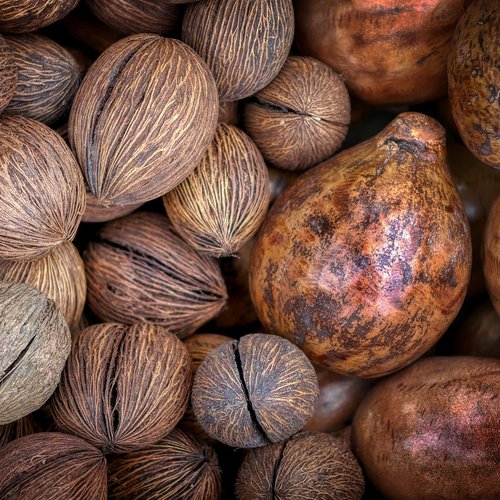
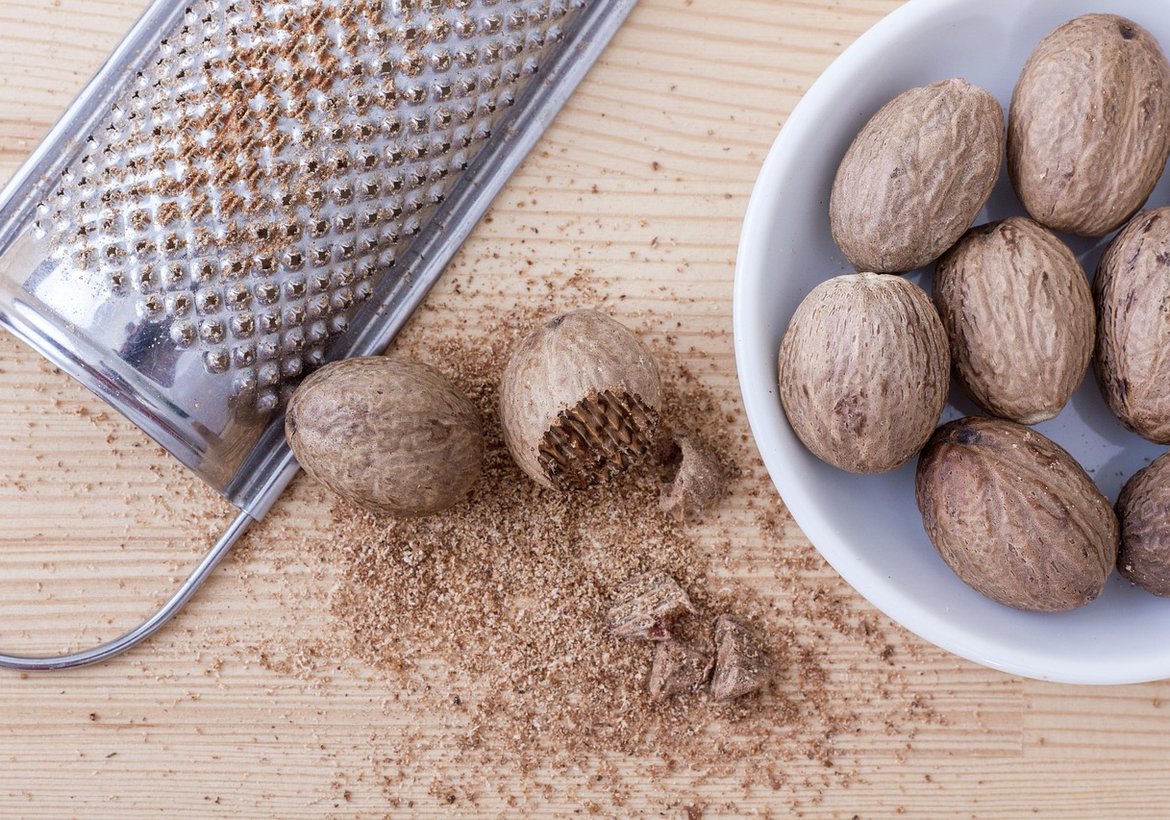
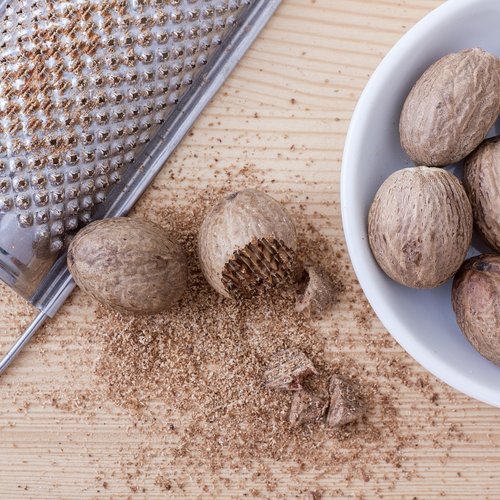
Nutmeg is the spice that makes people think of eggnog and pumpkin pie, but it is also wonderful in savory dishes. In baking, it adds a warm, slightly sweet note that is deeper than cinnamon. It is potent, so use it sparingly. A quarter teaspoon of freshly grated nutmeg is usually enough for a whole cake. It pairs especially well with spinach, cream, and potatoes, but for fall baking, think of it as the spice that rounds out the edges of a cinnamon-heavy blend. Too much nutmeg can be overwhelming, so grate it over the bowl and taste as you go.
Cloves are the most assertive of the warm spices. They are intensely aromatic, with a slightly numbing quality that can be pleasant in small doses and unpleasant in large ones. A little goes a long way. In a spice blend, cloves add a dark, almost smoky note that makes the other flavors seem richer. Use them sparingly in cakes and cookies, and consider pairing them with orange zest or dark chocolate. Whole cloves can be steeped in syrup for poached pears or added to a pot of mulled cider, where they infuse gently and can be removed before serving.
Ginger is the bright, zesty one. It has a heat that is different from black pepper, more warming and less sharp. Ground ginger is a staple in gingerbread and spice cakes, but it also works well in quick breads and muffins. Fresh ginger, grated finely, adds a different kind of brightness. If you are using fresh ginger in a baked good, increase the amount slightly, as its flavor is more subtle than the dried version. Ginger pairs beautifully with molasses, brown sugar, and citrus.
Allspice is the chameleon. Its name suggests a blend, but it is actually a single berry that tastes like a combination of cinnamon, nutmeg, and cloves. It is the secret ingredient in many pumpkin pie spice blends and is essential in Jamaican jerk seasoning. In fall baking, it adds a round, full flavor that makes the other spices seem more complete. Use it in combination with cinnamon and nutmeg, or on its own in a simple apple cake.
Putting It Together
Cardamom is the wild card. It is citrusy and floral, with a hint of mint, and it is more common in Scandinavian and Middle Eastern baking than in American fall classics. But it is worth experimenting with. A pinch of cardamom in a pear cake or a batch of cinnamon rolls adds a sophistication that people cannot quite place but always enjoy. It is also excellent in coffee cakes and shortbread.
When you are building a spice blend, start with cinnamon as the base, then add one or two supporting spices. A classic pumpkin pie blend is cinnamon, ginger, nutmeg, allspice, and cloves. A simpler apple cake might use just cinnamon and nutmeg. A cardamom coffee cake might use cardamom and a little cinnamon. Taste the blend before you add it to the batter. If it smells good, it will probably taste good. And remember that spices fade over time. Replace them every six months or so, and buy from a source with high turnover. Your baking will taste brighter and more complex, and you will never go back to the old jars in the back of the cabinet.

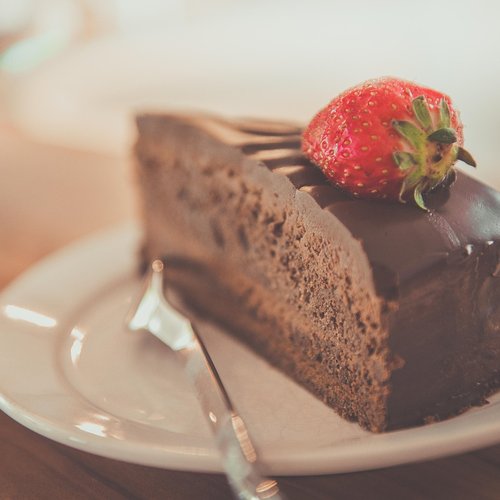
























This tender, warmly spiced cake comes together in one bowl and fills the kitchen with the smell of the holidays.
Alice Rose
Sep 23, 2026 at 3:12 pm